SEO that ranks your store for buyers, not browsers.
Most ecommerce SEO ranks you for your own brand name and calls it a win. We rank the product and category searches that bring new buyers, the organic revenue that compounds while your ad costs only climb.
A free teardown of your rankings, your competitors, and the searches you should own.
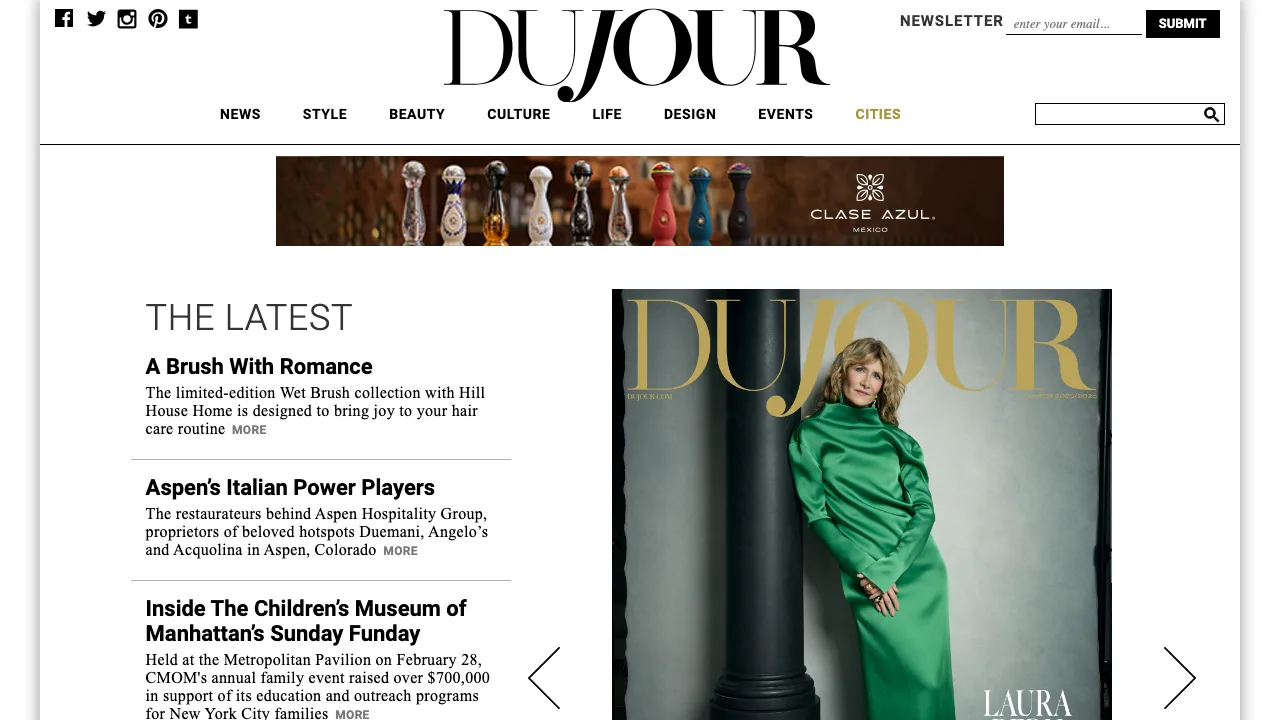
organic web traffic, over nine months.
DuJour grew organic web traffic 800% in nine months.Verified results
organic traffic for DuJour, in 9 months
paid & conversion pipeline for Lumini, in 60 days
qualified leads for Lumini, at $12.59 CPL
Recent ecommerce work: DuJour, Lumini, Loving Pets, Connyct.
How we rank ecommerce and Shopify stores.
Most stores rank for their brand name and little else. We rank the catalog pages that actually take orders: product pages, merchandised collections, and the high-intent comparisons buyers run right before checkout.
Collection merchandising & architecture
We structure parent and sub-collections around how buyers actually shop, pin bestsellers above the fold, and turn thin product grids into pages that rank and convert.
High-converting product pages (PDPs)
We optimize your money SKUs for exact commercial queries, variant clarity, product schema, SKU-level reviews, and fast mobile add-to-cart.
Shopify & catalog crawl hygiene
Faceted filters, tag URLs, duplicate `/collections/*/products/*` paths, and dead variants eat crawl budget. We lock down canonicals, indexation, and site speed so Google indexes the SKUs that pay.
Commercial guides & authority
When a category needs buying guides or digital PR to beat entrenched marketplaces, we build comparison content and real editorial links that point directly to your money collections.
Why most ecommerce SEO stalls.
The store looks great. Sessions might even be up. Organic revenue is flat. Here is usually why.
You only rank for your brand name.
Non-brand catalog rankings
Shoppers typing your brand name were already walking to the register. We rank your collections and product pages for the non-brand searches that bring net-new customers.
Shopify indexed 5,000 junk URLs and missed your SKUs.
Facet & canonical discipline
Out-of-the-box Shopify themes let tag pages, vendor archives, and filter parameters bloat the index. We prune the junk so Google crawls and ranks the products you actually sell.
Blog traffic climbs while orders stay flat.
Catalog-first SEO
Informational journal posts inflate session reports and rarely fill a cart. We fix collection merchandising and Strike Zone product URLs (positions 5 to 20) before writing top-of-funnel guides.
Paid acquisition costs keep climbing.
Compounding organic margin
When CAC spikes on Meta and Google Shopping, organic collection and product rankings keep delivering high-margin orders without paying for every click twice.
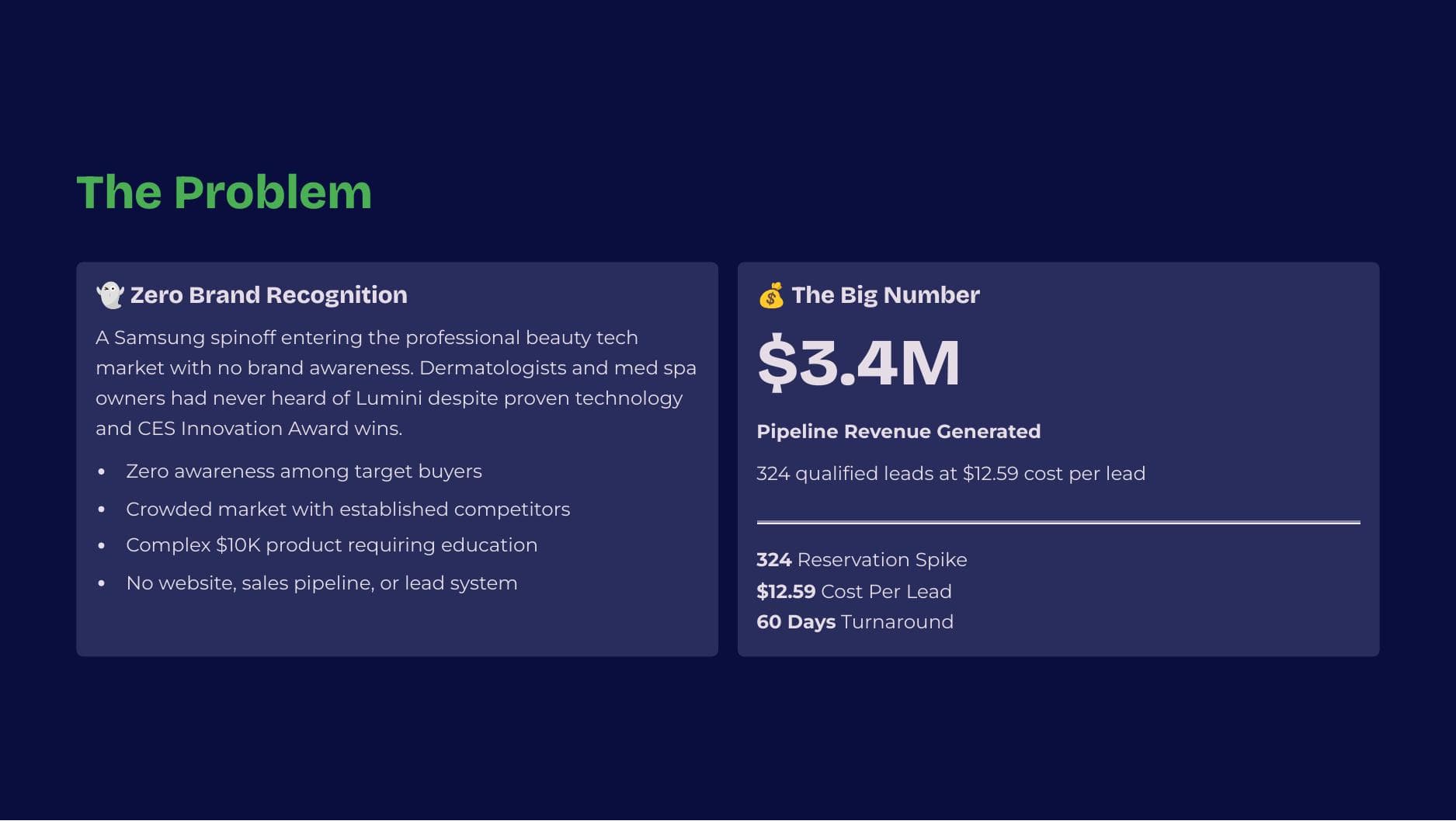
Lumini
$3.4M in qualified pipeline in 60 days.
Lumini, a beauty brand, needed qualified demand fast. Through our paid acquisition, landing page, and conversion system, we generated 324 qualified leads and $3.4M in pipeline in 60 days at a $12.59 cost per lead, pairing with the organic search system that grew DuJour web traffic 800% over nine months.
The method
We target your strike-zone keywords, and we built the system that does it.
Strike-zone keywords are the terms you already rank 5 to 20 for, where one good push moves you onto page one. Position 12 to position 5 is roughly four times the clicks. We run that work on the agentic SEO system we build and open-source, so the method is transparent, it compounds week over week, and you are never locked into a black box.
View our open-source SEO kit→From the insights
Go deeper on the search problems behind this page.
Ecommerce SEO: Rank the pages that sell
How to rank collection and product pages for non-brand shoppers, from a team that grew DuJour 800% in nine months.
Shopify SEO: Fix default bugs & rank collections
Fix Shopify’s duplicate collection URLs, tag bloat, and thin grids so your catalog ranks for buyers.
Shopify traffic but no sales
A rising sessions graph can hide a store that only ranks for brand, blogs, and collection pages nobody buys from.
Traffic is up. Leads are not.
Separate branded search and research content from a page that cannot ask for the business.
Shopify SEO agency checklist: What happens before content
How to evaluate a Shopify SEO partner on collection architecture, crawl hygiene, and non-brand revenue.
Google Shopping feed optimization for Shopify
Clean product titles, GTINs, and custom labels so Shopping and Performance Max spend on your highest-margin SKUs.
Common questions
How do I know my store can rank?
That is what the free teardown shows you: which product and collection searches sit in your Strike Zone (positions 5 to 20), which facet or canonical leaks are holding your catalog back, and where the gap is closable before you commit a dollar.
Do you handle Shopify SEO as well as custom ecommerce stacks?
Yes. Most of our store teardowns are on Shopify and Shopify Plus, alongside WooCommerce and custom headless catalogs. We fix the Shopify-specific leaks first: `/collections/*/products/*` canonicals, tag/facet bloat, collection merchandising, and structured product data.
How long does ecommerce SEO take?
Cleaning up index bloat and rewriting Strike Zone product and collection pages often moves rankings within 60 to 90 days. Competitive head terms take longer. DuJour grew organic traffic 800% over nine months.
Is this just blog content?
No. A blog that ranks and never sends a shopper to a SKU is a traffic hobby. We start with collection architecture, product pages, crawl hygiene, and commercial authority, the work that moves orders.
What does it cost?
Focused SEO engagements start around $3,500 per month. Integrated programs across catalog SEO, content, and paid Shopping/PMax typically run $5,000 to $10,000 per month depending on SKU count and competition.
See what your store could rank for.
Get a free SEO teardown. We will show you the product and collection searches you should own, where your catalog is leaking crawl or conversions, and how we would close the gap.